


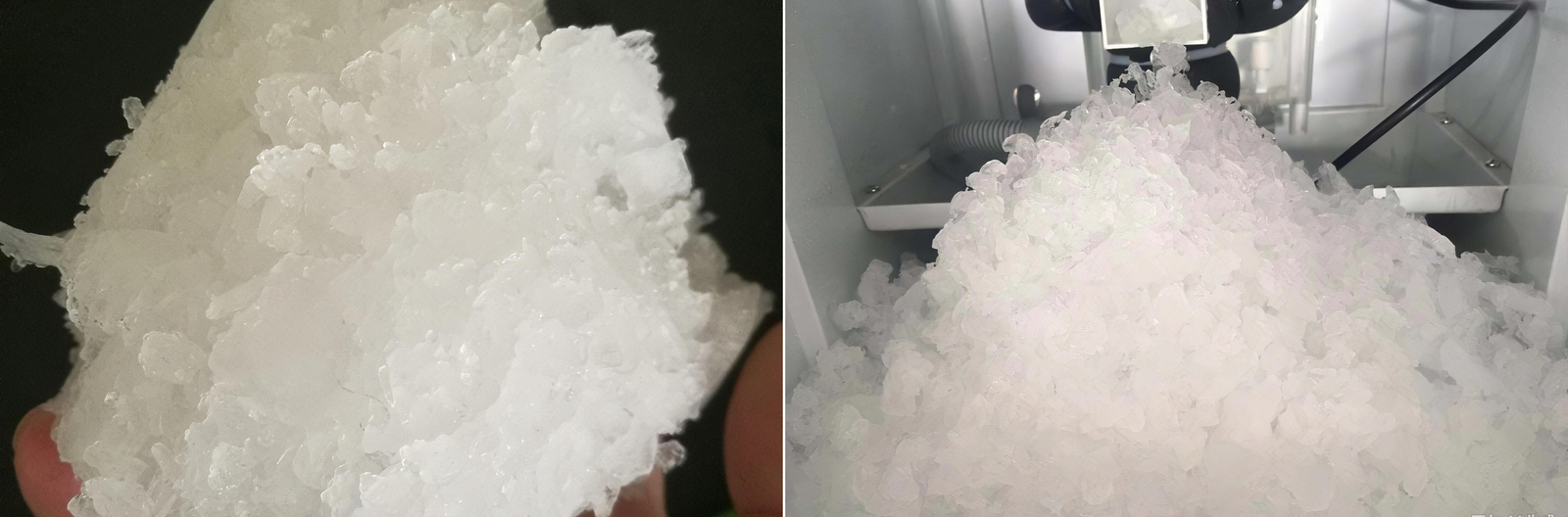
If you have ever watched a PCR setup or a protein extraction stall because the ice bucket ran empty, you already understand the problem a laboratory flake snow ice maker solves. Ice is not a luxury — it is part of the cooling infrastructure that keeps samples stable, reactions controlled, and results reproducible. Among all lab ice formats, flake ice (also called snowflake ice) has become the default choice in research, clinical, pharmaceutical, and food-science laboratories. This guide explains what a flake ice maker is, how flake ice compares with cube and crushed ice, where it is used, and how to choose the right flake ice machine for laboratory use.
1. What Is a Flake Ice Maker and How Does It Work?
A flake ice maker is a refrigeration machine that produces thin, flat, irregular pieces of ice rather than hard cubes. Inside the machine, water flows over a chilled stainless-steel evaporator drum and freezes into a thin film. A rotating auger (screw) then scrapes or extrudes the ice upward through a cutter, which breaks it into soft slivers typically 1.5–3 mm thick. Because there is no defrost cycle, a flake ice machine produces ice continuously, and the finished flakes fall directly into an insulated storage bin.

The resulting snowflake ice is a “wet” ice, sitting close to 0–2°C with a small residual water content. That combination of sub-cooled temperature and slight moisture is exactly what makes it so effective at wrapping around tubes, flasks, and specimen containers. Laboratory-grade units add features such as food-grade 304 stainless-steel contact surfaces, automatic shut-off when the bin is full, low-water protection, and fault alarms for unattended operation.
2. What Is Flake Snow Ice, and Why Do Laboratories Prefer It?
Flake ice is small, soft, and compressible, with a very high surface-area-to-volume ratio. Instead of sitting in hard lumps, it flows almost like dry snow and settles into every gap around the vessels it is cooling. Three physical properties matter most in laboratory work:
- Full surface contact. Flake ice conforms to the shape of microtubes, centrifuge tubes, beakers, blood bags, and surgical trays, eliminating the air gaps that hard cubes leave behind.
- Uniform, gentle cooling. The even contact distributes temperature consistently around the whole vessel, reducing hot spots that can ruin an experiment, while the soft edges do not scratch or crack fragile labware.
- Fast heat transfer. The thin flakes absorb heat quickly, so samples and reagents reach and hold a stable 0–4°C during ice baths, batching, and short-term transport.
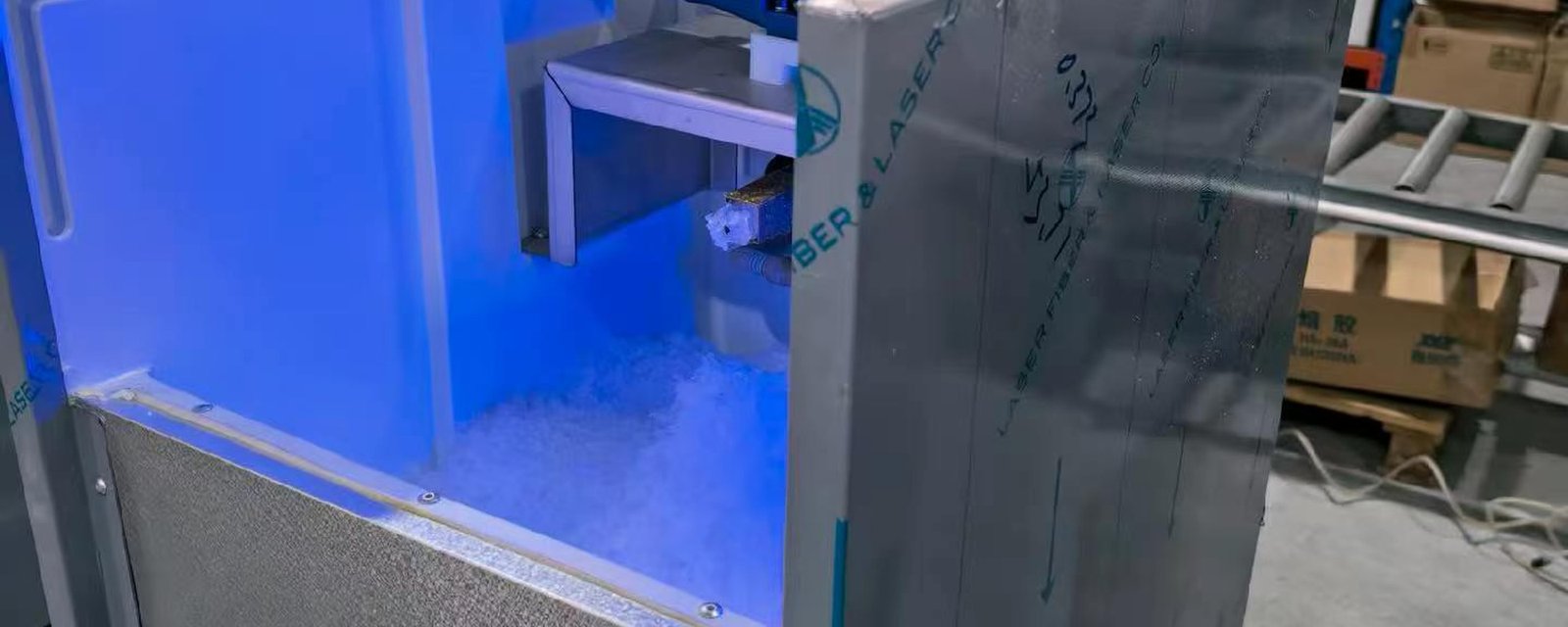
Researchers and lab managers discussing equipment online consistently point to the same practical advantages: no more hammering ice blocks by hand, no waiting for a shared central ice room, and a steady on-demand supply that keeps morning sample batches moving.
3. Flake Ice vs. Cube Ice vs. Crushed Ice: Which Is Best for Laboratory Use?
Not every ice format behaves the same way, even though wet ice all starts at 0°C. The table below summarizes the differences that matter for sample preservation and lab ice baths.
| Property | Flake Ice | Cube Ice | Crushed Ice | Dry Ice |
| Temperature | 0–2°C (wet) | 0°C (wet) | 0°C (wet) | -78.5°C (sublimes) |
| Surface contact | High — conforms to vessels | Low — point/edge contact | Moderate | Moderate, no melt water |
| Texture | Soft, no sharp edges | Hard | Angular, abrasive | Hard solid block |
| Melt rate | Fast, even cooling | Slow | Moderate to fast | Sublimes, no liquid |
| Sample risk | Low with correct depth | Uneven cooling | Bruising/scratch risk | Freeze damage, CO₂ hazard |
| Best lab use | Ice baths, sample handling | Long storage, transport | Rapid liquid cooling | Deep freezing, shipping |
The key takeaway is consistent across manufacturer blogs and equipment guides: cube ice touches vessels only at edges and points, leaving air pockets that slow heat transfer, while crushed ice has sharp fragments that can damage soft specimens. Flake ice fills the entire bucket, cushions the sample, and delivers predictable, repeatable cooling — which is why it is the primary choice for laboratories. Dry ice suits deep freezing and shipping, but its -78.5°C temperature and ventilation risks make it unsuitable for routine ice baths.
4. What Are the Main Uses of Flake Ice Makers in a Laboratory?
A laboratory flake ice maker supports a surprisingly wide range of workflows. These are the applications most often cited across manufacturer websites, clinical guidelines, and research forums.
Molecular biology and biochemistry. Enzyme reactions, PCR setup, nucleic acid extraction, plasmid purification, and protein precipitation all require samples and reagents held at 0–4°C. Continuous flake ice suppresses nuclease and protease activity and prevents biological macromolecules from degrading during processing.
Cell biology and protein work. Cell lysis, subcellular fractionation, immunoprecipitation, and protein extraction depend on sustained near-0°C conditions to inhibit proteases, prevent protein aggregation, and preserve phosphorylation states. A flake ice tray accommodates everything from 1.5 mL microtubes to 50 mL conical tubes with consistent contact cooling.
Histopathology and surgical pathology. Freshly excised tissue is placed on flake ice immediately after collection to slow autolysis before fixation or cryostat embedding. For intraoperative frozen sections, flake ice holds tissue at a controlled 0°C without pre-freezing it.
Clinical chemistry and diagnostics. Labile analytes such as ammonia, ACTH, lactic acid, LDH, and potassium can shift within roughly 30 minutes at room temperature. On-ice cooling and transport preserve pre-analytical integrity in line with specimen-handling guidelines.
Blood banks, pharmacy, and pharmaceutical QC. Platelet concentrates, plasma products, vaccines, and temperature-sensitive preparations use flake ice during compounding, short-duration cold-chain transit, and stability testing. Food-science and analytical chemistry labs likewise rely on it for perishable samples, reagent storage, and controlling exothermic reactions.
5. Why Your Lab Needs a Dedicated Laboratory Flake Ice Machine?
A common forum question is whether a cheap commercial or consumer ice machine can simply be moved into the lab. For non-critical work where ice never touches samples, a commercial flake ice machine may be acceptable, but workflows involving biological specimens, pharmaceuticals, or regulated materials require a laboratory- or medical-grade unit. The benefits go beyond convenience:
- Sample integrity and reproducibility. Uniform 0–4°C cooling reduces variability between runs and supports defensible, repeatable results.
- Continuous on-demand supply. Automated production with an insulated bin means no mid-experiment runs to a central ice room and no workflow bottlenecks during busy morning shifts.
- Hygienic construction. Stainless-steel ice-contact surfaces, drain systems, and optional water filtration limit contamination and are easy to sanitize.
- Protection for labware and specimens. Soft, non-abrasive flakes cushion fragile tubes, blood bags, and tissue instead of chipping glass or bruising samples.
- Lower labor and waste. No manual crushing, less melt-water spillage, and automatic full-bin and low-water shut-offs save staff time and reduce water and energy waste.
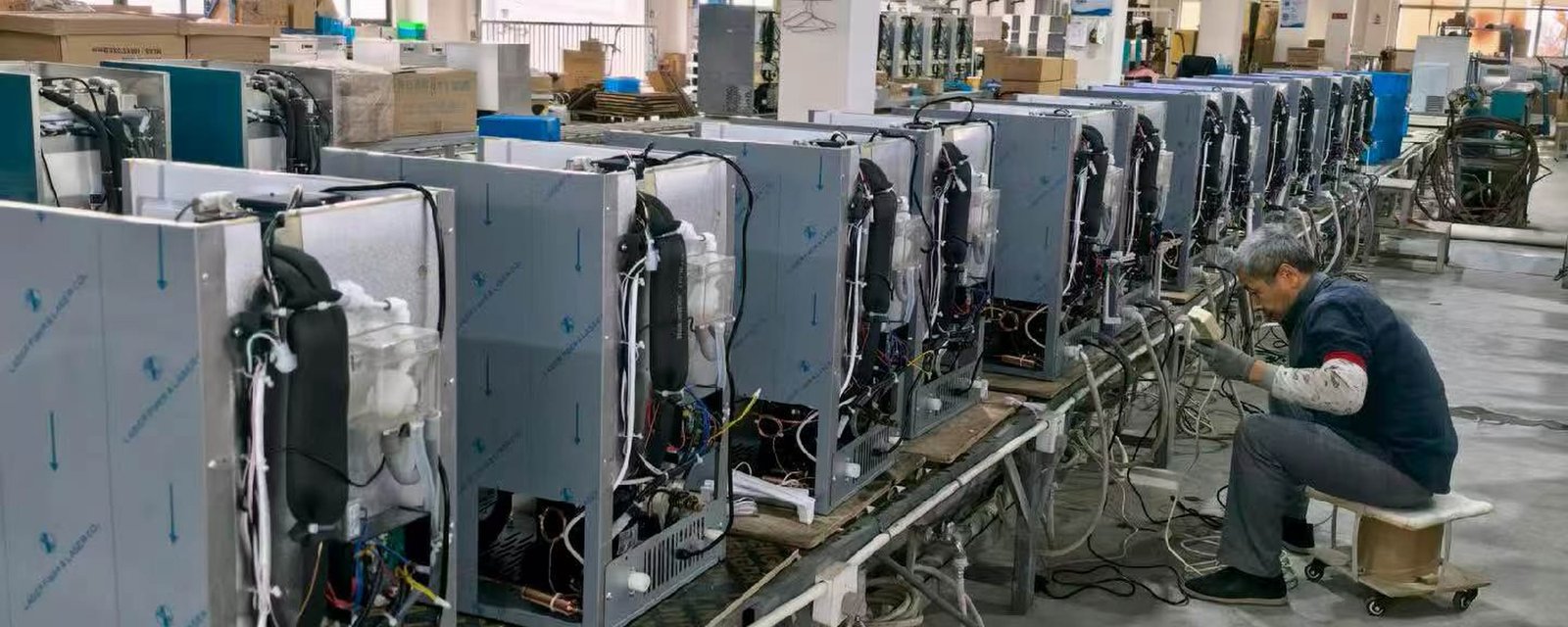
6. How to Choose the Right Flake Ice Maker for Your Laboratory?
Selecting the wrong capacity is one of the most common procurement errors. Use the following criteria, drawn from laboratory equipment buying guides, to shortlist a flake ice maker.
- Daily ice production. Match the kg/24 h rating to your peak shift, not just the daily average. Compact bench units start around 20–50 kg/day, while high-throughput and split-style systems reach 200–500 kg/day or more. Remember that rated output is measured at around 21°C ambient and 15–10°C inlet water; hot or poorly ventilated rooms can cut real output by 10–25%.
- Storage bin size. Specify an insulated bin that buffers against peak demand and short service interruptions — roughly 1.5 times peak hourly consumption is a common planning rule.
- Materials and sanitation. Prefer full 304 stainless-steel construction, smooth internal surfaces, a drainage outlet, and compatible filtration.
- Condensing and refrigerant. Air-cooled units are simpler to install but need airflow; water-cooled models suit hot or cramped spaces. Modern lab flakers increasingly use low-GWP R290 refrigerant.
- Controls, noise, and certification. Look for microcomputer controls, full-bin and low-water alarms, fault diagnostics, acceptable noise for shared spaces, and recognized electrical and safety certifications.
7. How to Clean and Maintain a Lab Flake Ice Maker?
Even the best flake ice machine only protects samples if it is properly maintained. Equipment guides recommend two parallel maintenance streams. Mechanical maintenance includes replacing water filter cartridges every 3–6 months depending on water hardness, descaling the evaporator drum when scale appears or output drops, and inspecting the auger and harvest blade for wear. Hygienic maintenance means regularly cleaning and sanitizing the bin and all ice-contact surfaces with laboratory-approved disinfectants, then rinsing thoroughly before the ice touches any biological sample. Clinical environments commonly document weekly cleaning plus a monthly full sanitization cycle.
8. Frequently Asked Questions About Lab Flake Ice Makers
Can a commercial flake ice machine be used in a laboratory? Yes, but only for non-critical applications where ice never contacts patient samples or regulated materials. Specimen-facing workflows require a laboratory- or medical-grade unit with stainless-steel contact surfaces and proper sanitation.
How long does flake ice last in the bin? In a well-insulated, closed bin, flake ice can hold for several hours to a day, although it is best used fresh because its high surface area makes it melt faster than cubes. Keep the lid closed and avoid overfilling.
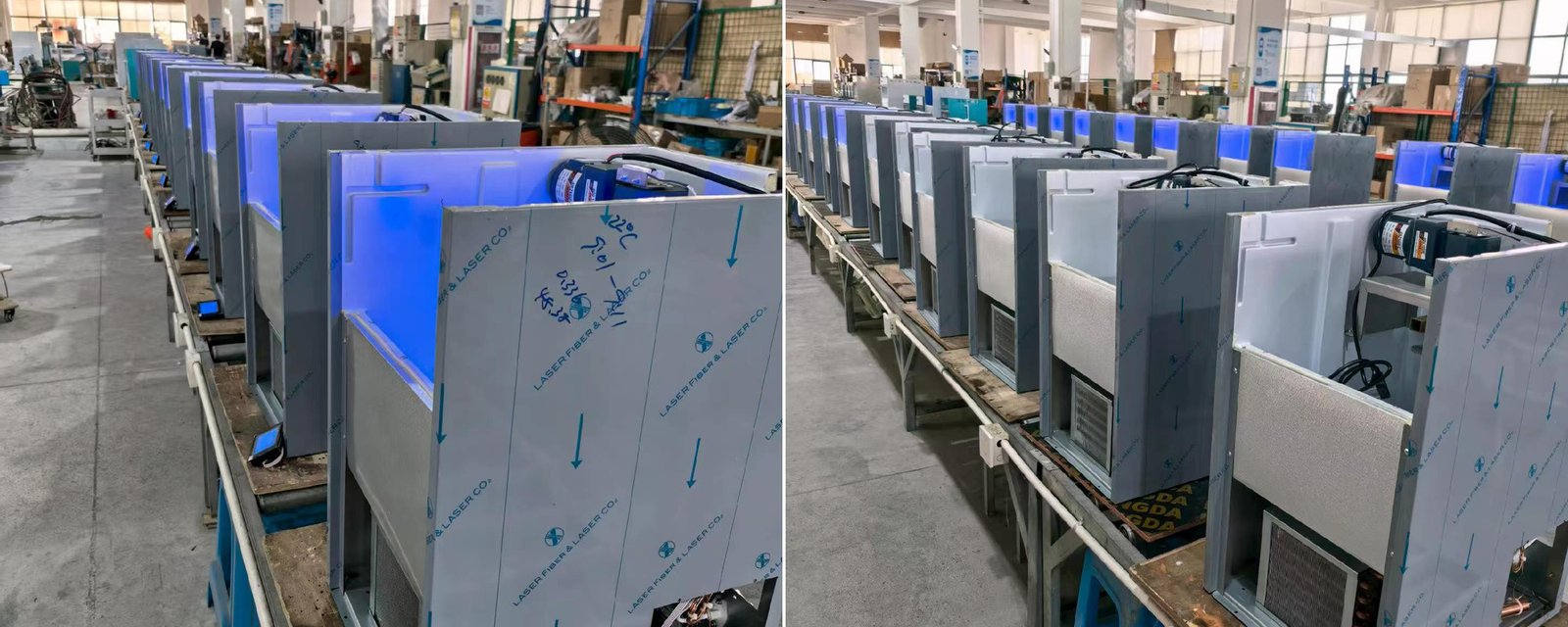
What is the difference between flake ice and dry ice? Flake ice is wet ice at 0–2°C used for bench-top cooling and ice baths; dry ice is frozen carbon dioxide at -78.5°C, used for deep freezing and shipping, and requires ventilation to avoid asphyxiation and freeze injury.
9. Conclusion
A flake ice maker is one of the hardest-working pieces of equipment in a laboratory, quietly underpinning sample preservation, diagnostic accuracy, and experimental reproducibility every single day. Its soft, fast-cooling, shape-conforming flakes outperform cube and crushed ice for bench-top ice baths, while automated, hygienic production keeps workflows moving without contamination or delay.
FlyCheng is a specialized ice maker manufacturer supplying reliable flake ice machines for laboratories, hospitals, universities, and research institutes. Sanfort, our laboratory-focused division, provides scientific products engineered for the hygiene, continuity, and precision that research demands. Whether you need a compact bench-top snowflake ice maker or a high-capacity split system, contact FlyCheng and Sanfort to specify the right flake ice maker for your lab.
 English
 French
 German
 Spanish
 Japanese
 Korean
 Italian