



In a molecular biology laboratory, ice is not an accessory — it is part of the protocol. Open almost any PCR protocol and you will find the same instruction: keep the reagents on ice throughout the setup, and move the assembled reactions to the thermocycler as quickly as possible. A reliable flake ice maker turns that instruction into an easy, repeatable routine by delivering a steady supply of soft, fast-cooling ice right next to the bench. This guide explains why PCR and molecular biology labs depend on flake ice, what to look for in the best machine, and how to size and maintain one for your facility.
1. Why Ice Is Non-Negotiable in a PCR Laboratory?
PCR is built around temperature-sensitive components. DNA polymerases, primers, dNTPs, master mixes, and template DNA are all handled at low temperatures before the reaction begins. Standard protocols instruct researchers to arrange the reagents in a freshly filled ice bucket, let them thaw, and keep them on ice for the entire experiment. The cold protects enzyme activity, prevents non-specific amplification before the initial denaturation step, and keeps small volumes stable while many tubes are being prepared in a batch.
This matters because PCR setup is rarely a single tube. Researchers commonly prepare a master mix for dozens of reactions, aliquot it into strips or plates, and add template to each tube. The first tubes may sit waiting for much longer than the last, so a uniform ice bath keeps every reaction at the same starting condition. Without reliable ice, tube-to-tube variability creeps in and results become harder to reproduce.
2. What Happens If PCR Reagents Are Not Kept on Ice?
Warm reagents create several predictable problems. Polymerase can begin low-level activity at room temperature, producing primer dimers and non-specific products that show up as extra bands or noisy background. Repeated freeze-thaw cycles and prolonged warming reduce enzyme efficiency, while delicate templates and RNA can degrade as nucleases become active. In quantitative PCR, these effects translate into shifted Ct values and poorer amplification curves. Keeping everything on ice from the first thaw to the moment the plate goes into the thermocycler is the simplest, cheapest insurance against these failures.

3. Why Flake Ice Beats Cubes for PCR and Molecular Biology?
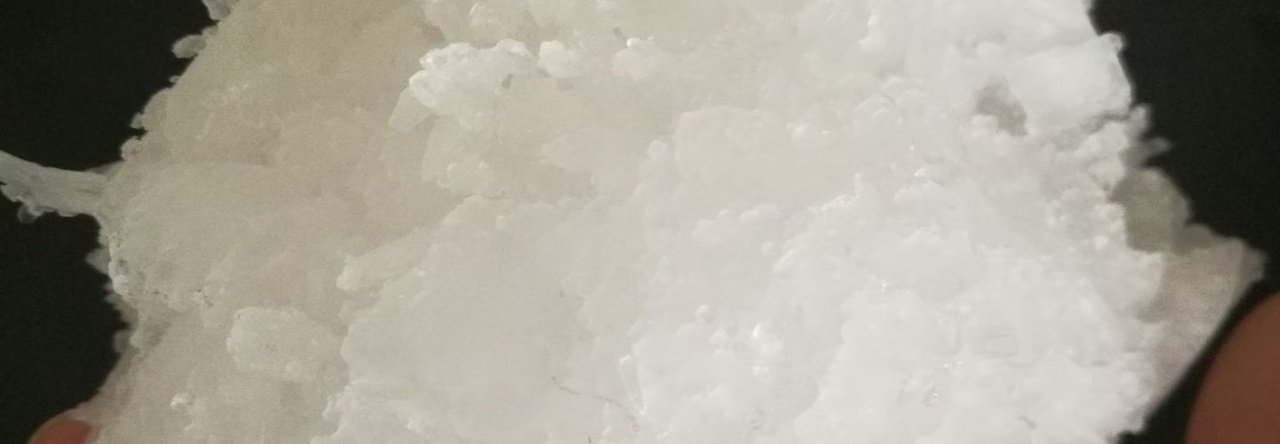
Both flake and cube ice start at 0°C, but their geometry produces very different cooling. Flake ice consists of thin, soft, irregular pieces that flow like snow and settle tightly around PCR strips, 1.5 mL microtubes, 15 and 50 mL conicals, and reagent bottles. It fills the gaps and contacts the entire outer surface of each vessel, so cooling is uniform across the whole tube. Hard cubes touch vessels only at edges and points, leaving air pockets that create uneven temperatures, and they cannot be moulded around a plate or a crowded ice tray.
Flake ice is also non-abrasive, so it cushions fragile tubes and frozen reagent boxes instead of chipping them, and it cools faster because of its high surface-area-to-volume ratio. For a bench where plates, strips, and bottles of many sizes are constantly moved in and out, flake ice is simply the more practical and predictable medium — which is why laboratory-grade snowflake ice makers are the standard in molecular biology suites.
4. Key Molecular Biology Workflows That Depend on Flake Ice?
- PCR and qPCR setup: holding master mix, primers, polymerase, and assembled strips on ice before thermocycling.
- Master-mix preparation and batching: keeping large numbers of reactions at the same temperature during aliquoting.
- Nucleic acid extraction: protecting DNA and RNA during lysis, binding, and wash steps and suppressing nuclease activity.
- Reverse transcription: keeping RNA and reverse-transcriptase reagents cold to prevent degradation.
- Enzyme and restriction digest work: maintaining precise low temperatures for sensitive enzymatic reactions.
- Protein and cell work: cell lysis, protein extraction, and immunoprecipitation, where sustained near-0°C conditions inhibit proteases.
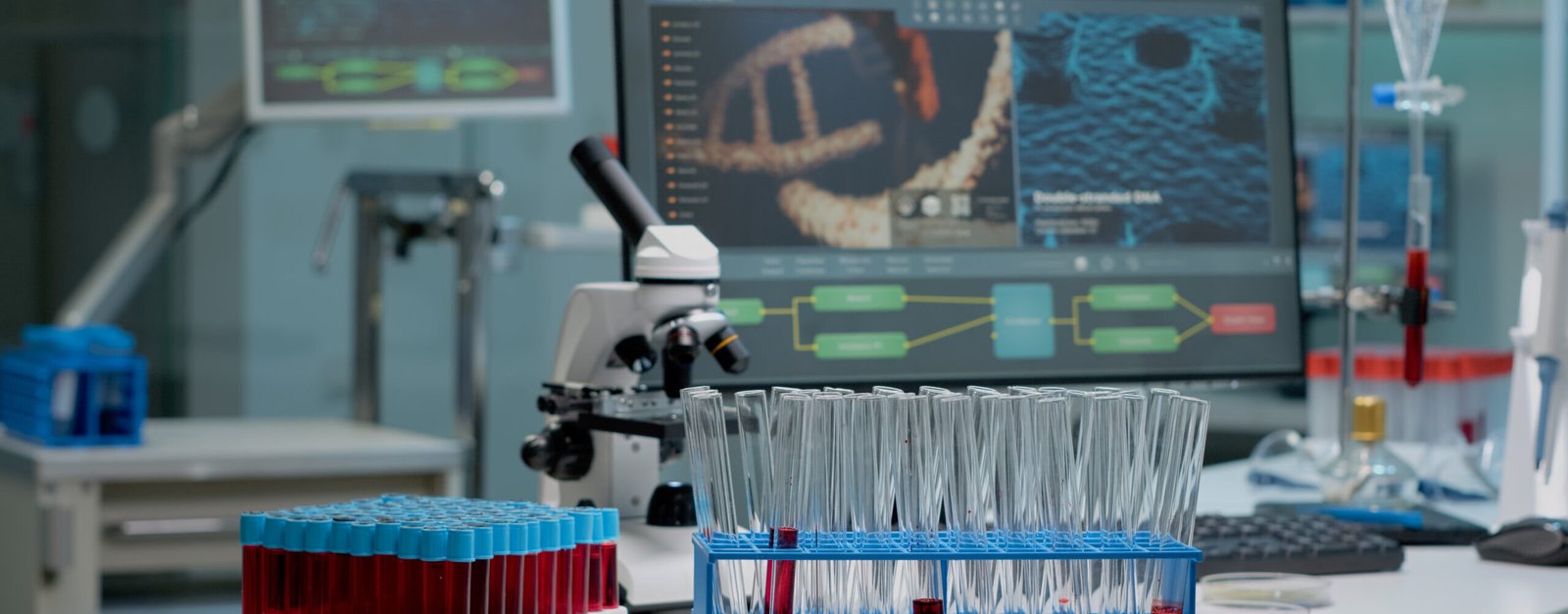
5. What Makes the Best Flake Ice Maker for PCR Labs?
The best flake ice maker for a molecular biology lab combines fast, hygienic production with bench-friendly design. Use these features as your selection criteria.
- Fast, continuous ice production. Look for machines that produce usable ice within minutes and run continuously without a defrost cycle, so a busy morning batch never stalls.
- Stainless-steel contact surfaces. Food-grade 304 stainless steel resists corrosion, is easy to sanitize, and supports contamination control.
- Adequate insulated bin. The bin should hold enough ice to buffer peak demand and keep ice intact through the working day.
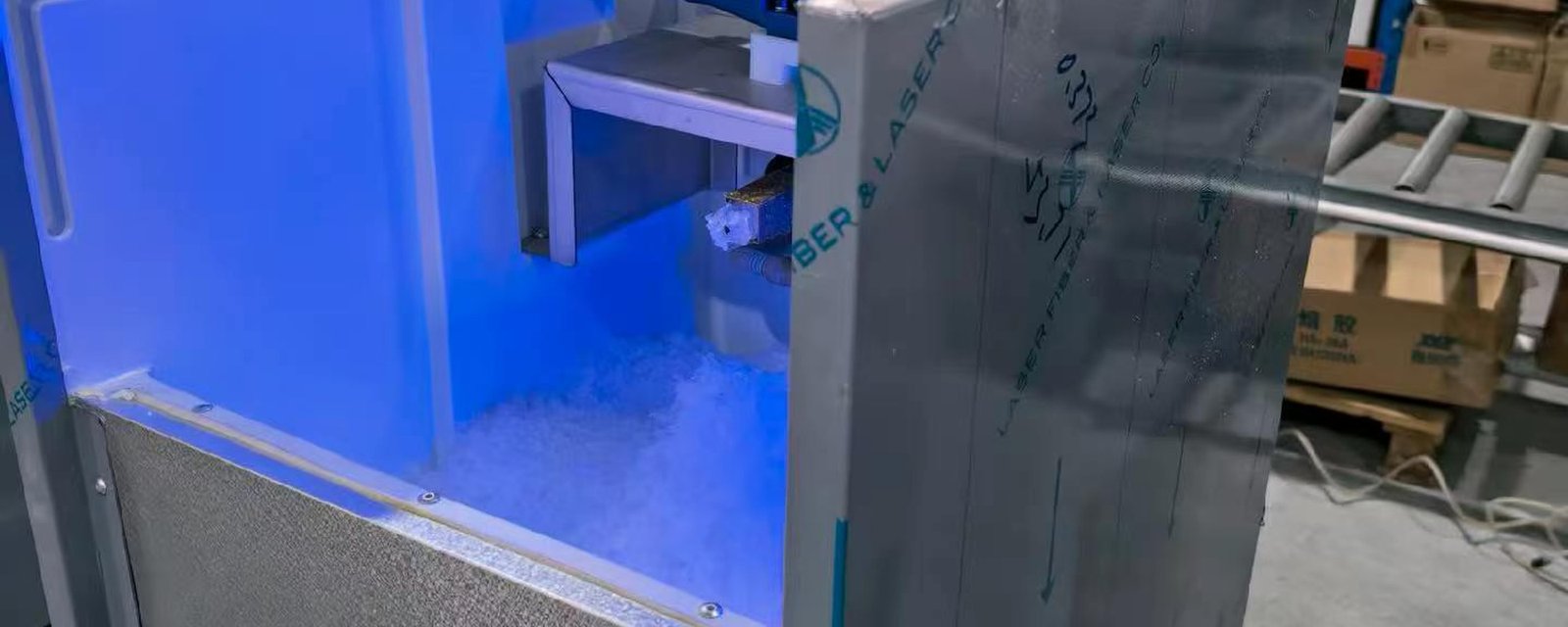
- Compact footprint and easy access. A small bench-top or under-bench unit with a smooth access door fits crowded labs and speeds up scooping.
- Smart controls and safety alarms. Full-bin and low-water shut-off, fault indicators, and automatic restart after power or water interruption protect unattended runs.
- Quiet, efficient refrigeration. Low noise matters in shared spaces, and low-GWP refrigerants such as R290 reduce environmental impact.
6. Sizing a Flake Ice Maker for Your Lab
Match the machine to your busiest shift rather than an average day. Small research groups and teaching labs usually work well with compact units producing roughly 20–50 kg per day. Core molecular biology facilities running many simultaneous PCR and extraction workflows typically need 50–100 kg per day, while high-throughput and contract labs may require 100–200 kg or more, sometimes as split systems with separate storage. Remember that rated output is measured at moderate ambient and water temperatures, and a warm, poorly ventilated room can reduce real production, so add headroom. A bin holding a comfortable margin of peak-hour use prevents shortages during the morning rush.
7. Cleaning and Hygiene for Contamination Control
In a molecular biology lab, cleanliness is inseparable from results. Ice machines stay wet internally, which makes scale and microbial growth real risks if they are neglected. Replace water filters on schedule, typically every few months depending on water hardness, and descale the evaporator when scale appears or output drops. Clean and sanitize the bin and all ice-contact surfaces with laboratory-approved disinfectants, then rinse thoroughly so no residue can reach samples. Keep a dedicated ice scoop, store it outside the bin, and document the cleaning cycle so hygiene stays auditable. A well-maintained machine protects both the samples and the validity of the PCR data.
8. Common Mistakes to Avoid
Even a good machine cannot compensate for poor habits. One frequent error is treating the rated 24-hour output as a guarantee of instant availability: a machine that makes enough ice over a full day can still leave a bench empty during a short, intense morning run if the bin is too small. Another is using a consumer or drinks-grade machine for sample work, where the lack of stainless-steel contact surfaces and documented sanitation raises contamination risk. Teams also get into trouble by sharing a single scoop across many users, leaving the scoop inside the bin, or topping off old, partially melted ice with fresh ice instead of starting with a clean bucket. Finally, neglecting filters and descaling quietly reduces output and ice quality long before the machine fails outright. Specifying the right capacity, using a laboratory-grade unit, and following a simple hygiene routine avoid all of these problems.
9. Frequently Asked Questions
Do PCR reagents really need to stay on ice the whole time? Yes. Standard protocols explicitly call for keeping reagents on ice throughout setup to protect enzyme activity and prevent non-specific amplification.
Can I use a cube ice maker instead of a flake machine? It will work in a basic sense, but cubes leave air gaps and cannot wrap evenly around strips and plates, so cooling is less uniform and less convenient.
How much ice does a molecular biology lab need? Track usage across several busy days and size for the peak, with headroom for warm rooms and maintenance; many small labs start at 20–50 kg per day.
How often should the machine be cleaned? Regular filter changes and descaling plus scheduled sanitizing of the bin and contact surfaces are the norm, with documented cycles in regulated facilities.
Is flake ice safe for RNA work? Yes. Keeping RNA and reverse-transcription reagents on flake ice slows degradation and RNase activity, provided the machine is properly sanitized and the ice is made from clean water.
10. Conclusion
A dedicated flake snow ice maker is one of the most frequently used and most protocol-critical pieces of equipment in a PCR or molecular biology lab. It delivers the uniform, fast, gentle cooling that keeps enzymes, primers, templates, and extracted nucleic acids stable from the first thaw to the moment the plate enters the thermocycler, directly supporting reproducible results.
 English
 French
 German
 Spanish
 Japanese
 Korean
 Italian