


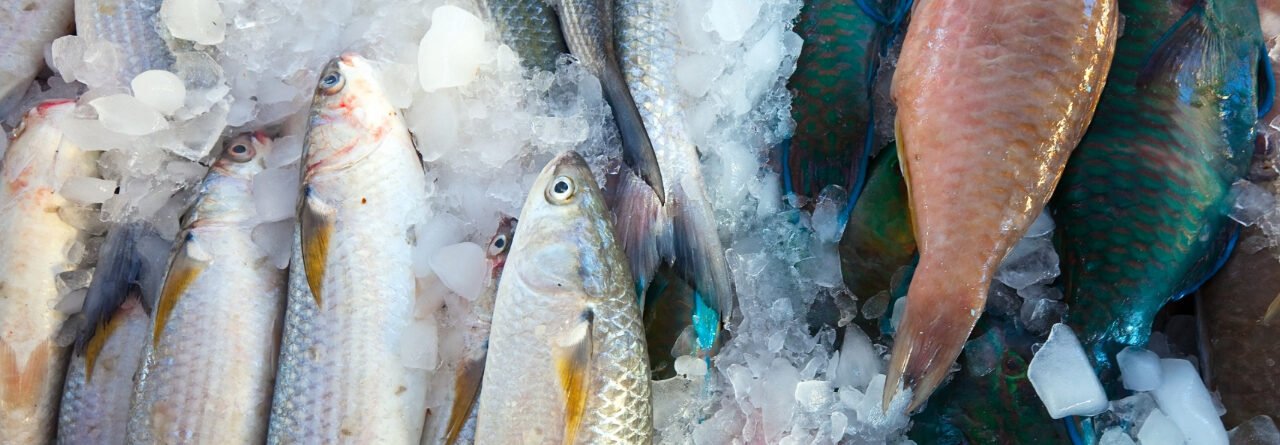
Il settore della pesca è fondamentale per l'approvvigionamento alimentare globale, ma deve affrontare una serie di sfide che incidono sulla qualità dei prodotti, sull'efficienza operativa e sulla sostenibilità a lungo termine. Dal momento in cui un pesce viene pescato fino a quando arriva nel piatto del consumatore, garantire la freschezza e la sicurezza è una sfida continua. Di seguito sono riportate quattro delle questioni più critiche che i pescatori e i trasformatori devono affrontare oggi, seguite da un'analisi dettagliata di come la produzione di ghiaccio fornisca soluzioni pratiche.
1. Le quattro principali sfide del settore ittico
(1) Freschezza e conservazione della qualità
Il pesce è uno degli alimenti più deperibili al mondo. A differenza della carne degli animali terrestri, il pesce presenta livelli più elevati di enzimi e batteri sulla pelle e nelle branchie, il che ne accelera notevolmente il deterioramento. Se non viene manipolato e conservato correttamente subito dopo la cattura, la qualità del pescato può deteriorarsi nel giro di poche ore.

Il controllo della temperatura è il fattore più importante per preservare la freschezza del pesce. Quando il pesce viene conservato a temperature elevate, gli enzimi degradano rapidamente i tessuti, i batteri si moltiplicano in fretta e il pesce sviluppa sapori sgradevoli e odori sgradevoli. Buone pratiche igieniche, lavorazione tempestiva e raffreddamento rapido sono tutti elementi essenziali per mantenere il pesce in condizioni ottimali. Senza un adeguato raffreddamento, anche il pescato di altissima qualità può diventare scarto invendibile.
(2) Trasporti e logistica
Trasportare il pescato dalla nave allo stabilimento di lavorazione o al mercato non è sempre facile. Nel caso delle operazioni di pesca a lunga distanza o in zone remote, questa sfida diventa ancora più ardua. Un peschereccio può rimanere in mare per giorni o addirittura settimane e, una volta che il pescato viene portato a bordo, il tempo inizia a scorrere.
Durante il trasporto è fondamentale garantire condizioni di conservazione adeguate. Le stive devono essere mantenute a temperature costantemente basse, e il catena del freddo deve rimanere ininterrotta dalla barca al camion fino alla destinazione finale. In molte parti del mondo, le carenti infrastrutture stradali e la mancanza di sistemi di refrigerazione nei punti di sbarco rendono tutto ciò ancora più difficile. Senza una gestione affidabile della catena del freddo, una parte significativa del pescato rischia di deteriorarsi prima ancora di arrivare al compratore.
(3) Variabilità stagionale
Le popolazioni ittiche non rimangono nello stesso posto né mantengono lo stesso numero di esemplari durante tutto l'anno. Migrano per deporre le uova, nutrirsi o trovare acque con temperature adeguate. Ciò significa che i pescatori si trovano spesso ad affrontare periodi di grande abbondanza seguiti da periodi di scarsità.
La gestione delle attività di pesca nel corso dei cambiamenti stagionali richiede un'attenta pianificazione, un monitoraggio costante e pratiche di pesca sostenibili. Anche le aziende di trasformazione e i distributori devono adeguarsi, trovandosi talvolta a dover far fronte a grandi volumi durante i periodi di punta e a faticare a reperire quantità sufficienti di prodotto nei periodi di magra. Questa variabilità rende difficile soddisfare in modo costante la domanda del mercato e mantenere prezzi stabili.
(4) Conformità normativa e sostenibilità
Il settore della pesca è soggetto a una rigorosa regolamentazione. I governi e gli organismi internazionali hanno stabilito norme volte a proteggere gli stock ittici e l'ambiente marino. Tra queste figurano le quote di pesca, i limiti di taglia, le restrizioni sugli attrezzi da pesca, i periodi di fermo biologico e le aree marine protette.
Sebbene tali norme siano fondamentali per la sostenibilità a lungo termine, rendono le operazioni di pesca notevolmente più complesse. I pescatori devono tenere un registro accurato delle catture, evitare le zone vietate e utilizzare attrezzature omologate. Il mancato rispetto di tali norme può comportare multe salate, la revoca delle licenze di pesca o persino accuse penali. Trovare un equilibrio tra redditività economica e pratiche sostenibili è una sfida costante, ma è fondamentale per la salute a lungo termine sia delle popolazioni ittiche che del settore.
2. In che modo la produzione di ghiaccio contribuisce a risolvere queste sfide
Il ghiaccio svolge un ruolo fondamentale nell'affrontare molte delle sfide sopra elencate. Di seguito sono riportati quattro modi in cui la produzione di ghiaccio sostiene le attività di pesca, dal momento della cattura fino al cliente.
(1) Conservazione del pesce
Il ghiaccio è il metodo più diffuso ed efficace per raffreddare il pesce subito dopo la cattura. Mettendo il pescato sul ghiaccio si abbassa rapidamente la temperatura, rallentando così la proliferazione batterica e l'attività enzimatica. In questo modo il pesce si mantiene fresco per un periodo molto più lungo.
A differenza della refrigerazione meccanica, che può seccare la superficie del pesce, il ghiaccio garantisce un raffreddamento delicato e uniforme. Man mano che si scioglie, il ghiaccio rimuove anche i batteri e la mucosa dalla superficie del pesce. Il ghiaccio funge da mezzo di raffreddamento affidabile, mantenendo la giusta temperatura e prolungando la durata di conservazione. Ciò è particolarmente importante durante i lunghi tempi di trasporto verso gli stabilimenti di lavorazione o i mercati che possono trovarsi a centinaia di chilometri di distanza.
(2) Gestione della catena del freddo
Una fornitura affidabile di ghiaccio rende possibile una gestione efficace della catena del freddo. La catena del freddo è la filiera ininterrotta e a temperatura controllata che va dalla cattura al consumo. Ogni anello di questa catena deve essere solido.
I contenitori termici, le stive per il pesce e le cassette per il pesce si affidano tutti al ghiaccio per mantenere basse le temperature durante tutto il viaggio. I pescatori possono disporre strati di ghiaccio tra i pesci per garantire un raffreddamento uniforme. I trasformatori possono conservare il pesce su ghiaccio prima del taglio e del confezionamento. I distributori possono trasportare il pesce in scatole con sacchetti di ghiaccio o ghiaccio tritato. Con una corretta gestione del ghiaccio in ogni fase, il pesce rimane fresco, sicuro e di alta qualità dalla barca all'acquirente.
(3) Controllo qualità
Disporre di una fornitura costante e su richiesta di ghiaccio consente ai pescatori e alle aziende di trasformazione di controllare meglio la qualità del pescato. Un raffreddamento adeguato e costante previene il deterioramento e contribuisce a mantenere la consistenza, il colore e il sapore che i clienti si aspettano.
I diversi tipi di ghiaccio hanno scopi diversi. Ghiaccio in scaglie, grazie alla sua consistenza morbida e all'ampia superficie, è ideale per avvolgere il pesce senza danneggiarne la polpa. Il ghiaccio in tubi si scioglie più lentamente e produce meno acqua in eccesso, rendendolo adatto alla conservazione a lungo termine. Il ghiaccio in blocchi può essere tritato secondo necessità o utilizzato in contenitori più grandi per un raffreddamento prolungato. Scegliendo il giusto tipo di macchina per il ghiaccio Per ogni applicazione, le attività di pesca possono soddisfare gli standard di qualità e aumentare il valore di mercato delle proprie catture.
(4) Maggiore durata di conservazione
Corretto refrigerazione e conservazione La conservazione su ghiaccio rallenta i processi enzimatici e batterici naturali che causano il deterioramento. Ciò consente ai pescatori e alle aziende di trasformazione di conservare il pescato per periodi più lunghi senza comprometterne la qualità.
Una maggiore durata di conservazione comporta numerosi vantaggi. Riduce gli sprechi, poiché una minore quantità di pesce va a male prima di poter essere venduta. Consente ai pescherecci di rimanere in mare più a lungo, migliorando così l'efficienza e il risparmio di carburante. Offre alle aziende di trasformazione una maggiore flessibilità nella programmazione delle linee di produzione. Inoltre, permette ai distributori di raggiungere mercati più lontani, ampliando così la clientela per i prodotti ittici di alta qualità.
3. Informazioni su FlyCheng
La gamma di prodotti FlyCheng copre tutte le principali tipologie di ghiaccio utilizzate nelle attività di pesca: macchine per ghiaccio in scaglie per un raffreddamento delicato e rapido del pesce intero; macchine per ghiaccio in tubi per un ghiaccio più pulito e a scioglimento lento; macchine per ghiaccio in blocchi per la conservazione a lungo termine e il trasporto; e macchine per ghiaccio a cubetti per applicazioni commerciali e al dettaglio. Ogni macchina è costruita in acciaio inossidabile per uso alimentare, progettata per il funzionamento continuo in ambienti difficili e realizzata per produrre ghiaccio pulito e asciutto che soddisfa gli standard internazionali di sicurezza alimentare. Con certificazioni CE, RoHS e ISO, FlyCheng si impegna a fornire soluzioni per la conservazione del ghiaccio che aiutino i pescatori e le aziende di trasformazione a proteggere il pescato fin dal momento in cui viene tirato fuori dall'acqua.
4. Conclusione
La produzione di ghiaccio è fondamentale per affrontare le principali sfide del settore ittico. Dal mantenimento della freschezza e della qualità alla gestione della logistica dei trasporti, fino al sostegno alle misure di sostenibilità, il ghiaccio offre soluzioni pratiche ed economiche in ogni fase del processo.
Fornendo un mezzo di refrigerazione affidabile che può essere prodotto su richiesta, il ghiaccio aiuta il settore ittico a operare in modo più efficiente, a fornire prodotti di alta qualità ai consumatori, a ridurre gli sprechi costosi e a garantire la sostenibilità a lungo termine. In un settore in cui il tempo e la temperatura sono fondamentali, una macchina per il ghiaccio affidabile non è solo un'attrezzatura, ma uno strumento aziendale essenziale.
 Italian
  English
  French
  German
  Spanish
  Japanese
  Korean