


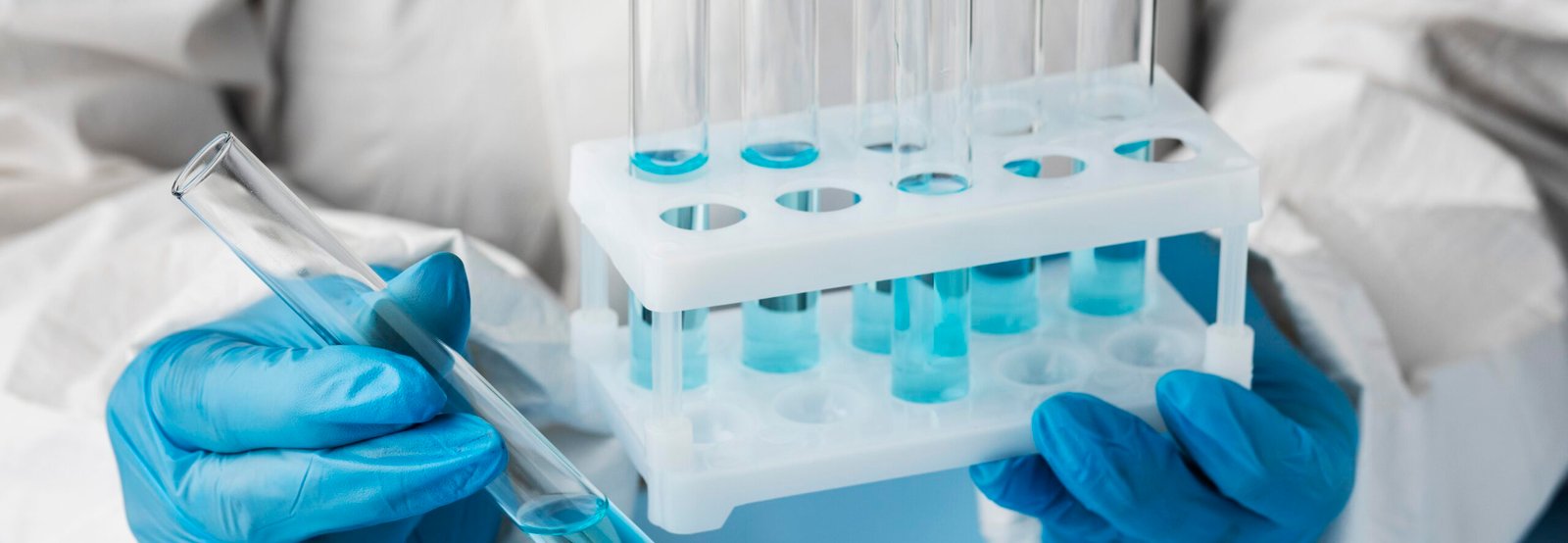
A biobank is only as trustworthy as its weakest temperature-controlled step. Long after the freezers, alarms, and inventory software are in place, the everyday reality of biobanking still depends on something simple: a dependable supply of wet ice to hold specimens from the moment they arrive until they can be stabilized. That is why a reliable flake ice maker is not a convenience item in a biorepository — it is part of the quality infrastructure that protects biospecimen integrity. This article explains how biobanks use flake ice, why standard operating procedures demand it, and what happens when the ice supply fails.
1. What Is a Biobank, and Why Does Temperature Matter?
A biobank systematically collects, processes, stores, and distributes biological materials — blood and its fractions, surgically removed tissue, cells, and other specimens — together with linked clinical data. These materials underpin biomarker research, disease studies, and the search for new therapies. Their value depends entirely on how well their original biological state is preserved. Biomolecules degrade, enzymes remain active, and cellular changes continue whenever a specimen is warm, and the time and temperature history of every sample becomes part of the data that researchers must interpret. Controlling temperature is therefore the central operational challenge of biobanking.
2. The Critical Window: Warm and Cold Ischemia Explained
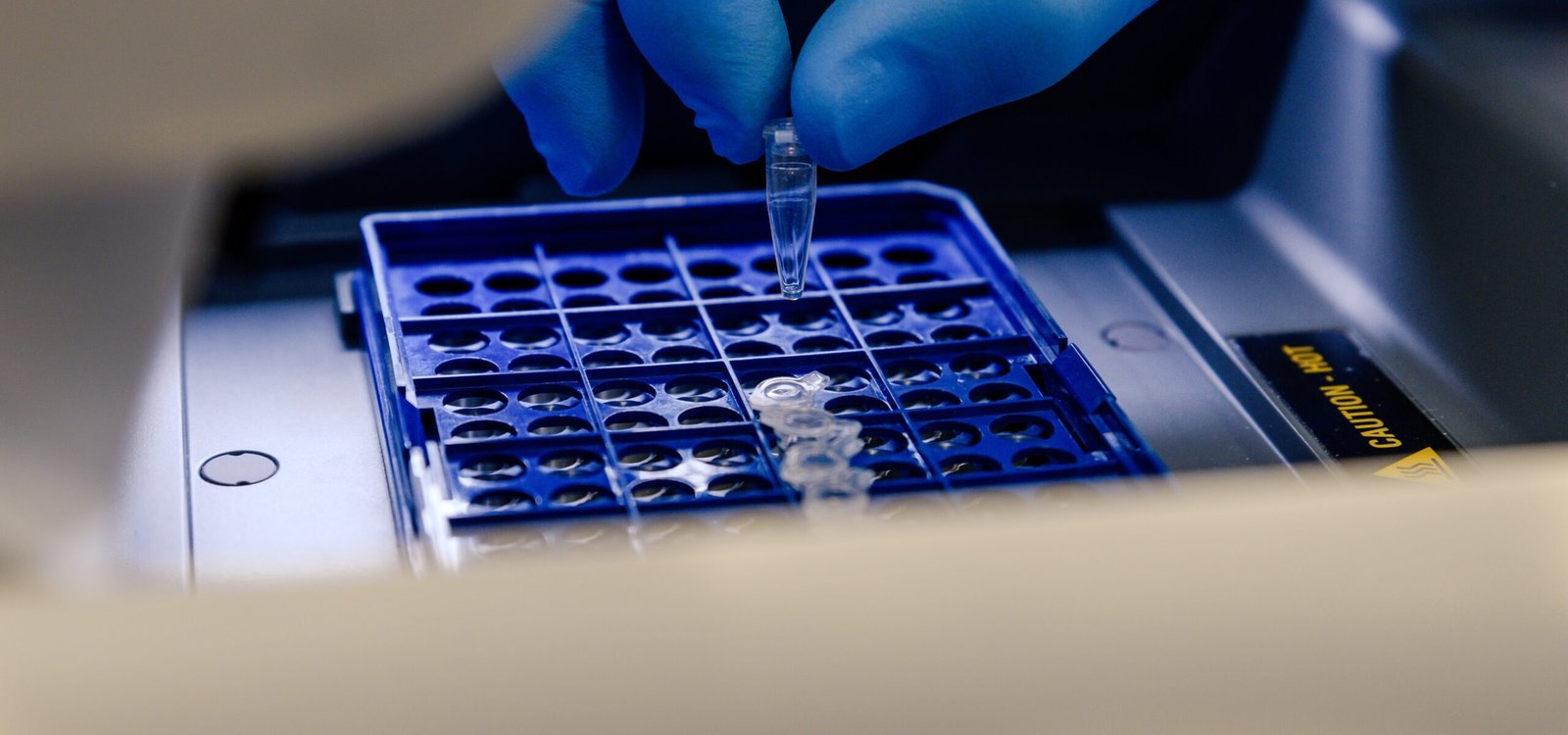
Biobankers use two terms to describe the pre-storage period. Warm ischemia is the time a specimen sits at room temperature after removal from the body but before stabilization, when cellular changes and degradation proceed fastest. Cold ischemia is the time it is kept on ice or in a refrigerator around 4°C after collection but before freezing or formalin fixation. Cooling does not stop biology completely, but it markedly slows cellular changes and degradation. Biobank personnel are trained to minimize both times and document them meticulously, because researchers downstream need to know how a specimen was handled. A technician often accompanies surgery with a cold container, or specimen containers are placed on wet ice immediately so the cold-ischemia window begins as early as possible.
3. Why Biobank SOPs Require Wet Ice Before Stabilization
Leading biobank standard operating procedures are explicit on this point. A widely used consortium SOP recommends that biospecimens be frozen at −80°C within four hours of collection and kept on wet ice until they are frozen, with defined exceptions such as certain cell-yield tubes that must stay at room temperature. Surgical biospecimen guidance states that when rapid stabilization is not immediately possible, samples should be kept on wet ice or refrigerated until they can be frozen or fixed. Blood procedures similarly hold aliquots at 4°C for no more than a short, defined interval because delayed processing is associated with RNA degradation. In every case, wet ice is the practical bridge between collection and long-term storage.
4. Flake Ice vs. Cube Ice in Biobank Workflows
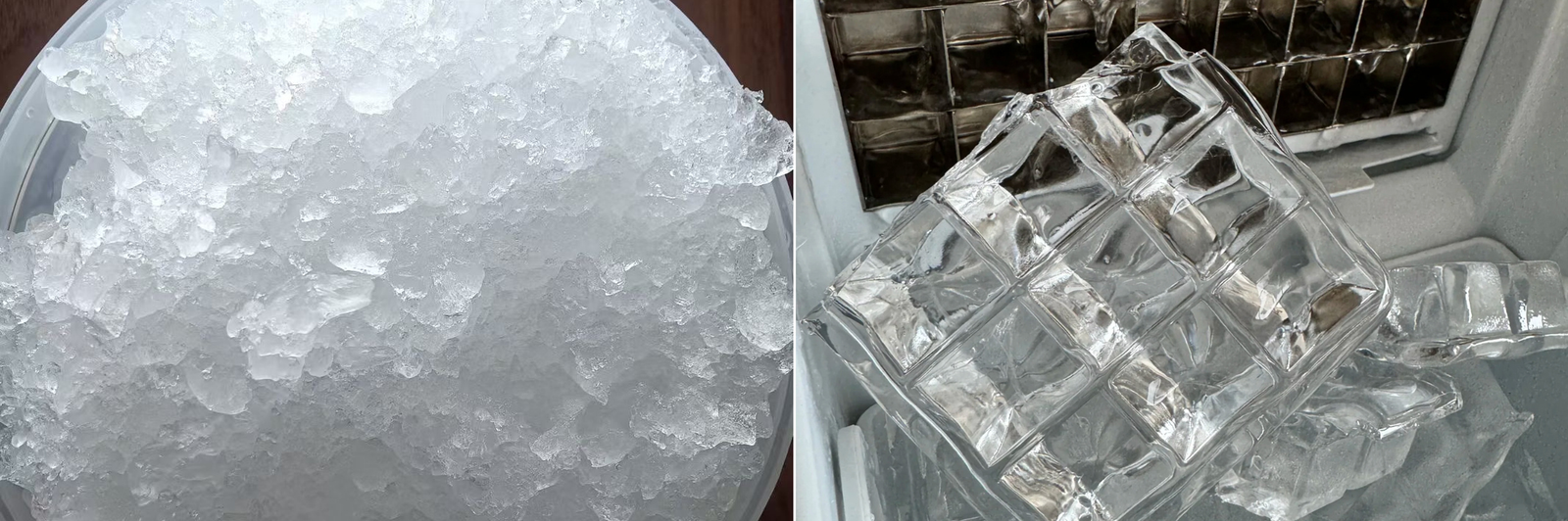
Both flake and cube ice are wet ice at 0°C, but flake ice is far better suited to biobank processing. Flake ice is soft, thin, and irregular, so it flows around cryovials, specimen boxes, blood tubes, and tissue containers, filling gaps and contacting the whole surface for uniform cooling. It is non-abrasive and cushions fragile tubes and freshly excised tissue. Hard cubes touch vessels only at edges and points, leaving air gaps and uneven temperatures, and they cannot be moulded around a crowded processing tray. Because biobank staff handle many different container shapes in a continuous flow, the conforming, fast-cooling nature of flake ice makes it the standard choice.
5. Where Biobanks Use Flake Ice
- Surgical tissue handling: holding freshly excised specimens on ice from collection to freezing or fixation.
- Blood processing: keeping tubes and aliquots cold during batching, centrifugation, and short-term 4°C holding.
- Aliquoting and sub-packing: maintaining cryovials and boxes at uniform low temperature during preparation.
- Internal transport: moving specimens between operating rooms, processing labs, and storage facilities.
- Homogenization and downstream prep: keeping specimens cold during processing that could otherwise warm them.
- Emergency backup: providing an immediate cold buffer during equipment alarms or power interruptions.
6. What Happens When the Ice Supply Fails?
The cost of an unreliable ice supply is far higher than the cost of the machine. Research on fresh-frozen tissue found that RNA integrity is strongly correlated with temperature stability: specimens tolerated a freezer warming up to around 0°C, but once they reached room temperature for several hours, RNA integrity was almost completely destroyed. When ice is unavailable, specimens spend longer at ambient temperature, cold-ischemia times extend beyond protocol limits, and samples may have to be rejected rather than risk invalid research. Shortages during a busy surgical or morning batch create rushed handling, mislabeling, and uneven cooling. A steady, on-demand flake ice supply removes these risks and keeps every documented time point within the SOP.
7. Features of a Reliable Biobank Flake Ice Machine
- Continuous, correctly sized output. Match kg/24h to peak demand and add headroom for warm rooms and maintenance.
- Adequate insulated storage bin. The bin should buffer peak-hour use and short interruptions without running empty.
- Stainless-steel contact surfaces. Food-grade 304 stainless steel supports sanitation and resists corrosion.
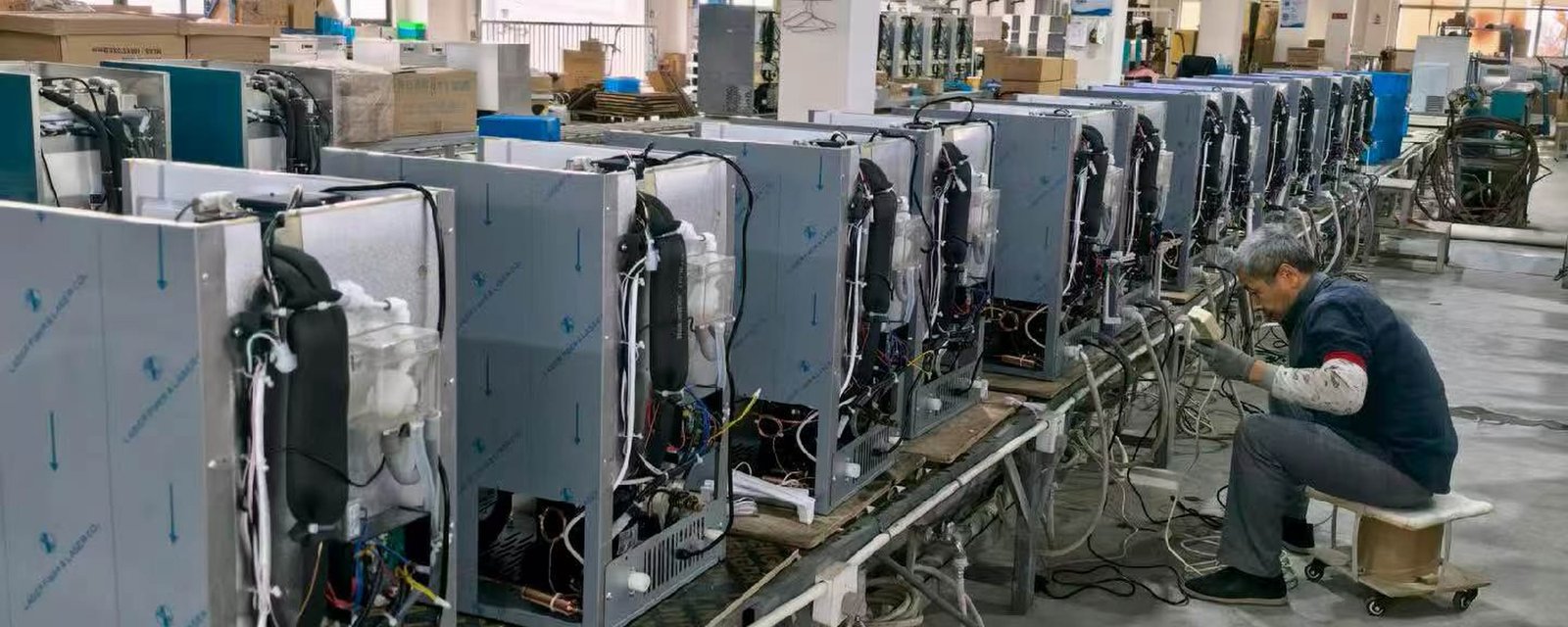
- Alarms and automatic controls. Full-bin and low-water shut-off, fault warnings, and restart after power or water loss.
- Redundancy planning. High-throughput biobanks often keep a second machine or backup so servicing never interrupts processing.
- Efficient, low-GWP refrigeration. Quiet operation and refrigerants such as R290 reduce running cost and environmental impact.
8. How to Plan Ice Capacity for a Biobank?
Sizing a biobank flake ice machine follows the same logic as the rest of the cold chain: plan for the peak, not the average. Begin by tracking how much ice is actually used across several busy days, including surgical collection, blood processing, transport, and cleaning. A facility that receives many specimens in a short morning window needs a machine and bin that can meet that concentrated demand even though its full-day total may look modest. Remember that rated output is measured under moderate ambient and inlet-water conditions, and a warm or poorly ventilated room lowers real production, so add headroom rather than specifying to the exact number. The insulated bin should hold a comfortable margin of peak-hour use to absorb short interruptions. Biobanks that operate extended or continuous schedules should also plan redundancy, because a single machine taken out of service for maintenance must never leave specimens without a cold holding option. Treating the ice supply as critical infrastructure, rather than an afterthought, prevents the most common and most expensive planning error.
9. Hygiene and Maintenance for Biobank Quality Systems
Biobanks operate under documented quality systems, and the ice machine falls within them. Because the machine stays wet internally, scale and microbial growth can develop if it is neglected. Replace filters on schedule, descale the evaporator when output falls or scale appears, and inspect the auger and harvest components. Clean and sanitize the bin and all ice-contact surfaces with laboratory-approved disinfectants, then rinse fully so no residue reaches specimens. Use a dedicated scoop stored outside the bin and keep written records of the cleaning and maintenance cycle. A well-maintained, hygienic machine protects both the specimens and the audit trail that gives the biobank its credibility.
10. Frequently Asked Questions
Why can’t biobanks just move specimens straight to the freezer? There is always a processing gap for collection, transport, centrifugation, and aliquoting. Wet ice safely holds specimens during that window and limits degradation before stabilization.
How long can specimens stay on wet ice? Procedures vary, but standards generally call for freezing at −80°C within four hours and limit any 4°C holding to a short defined interval; always follow your own SOP.
Is flake ice better than cube ice for biobanking? Yes for processing, because it wraps evenly around tubes and boxes and cushions fragile specimens; cubes are more suited to long storage and slow melting.
Do biobanks need a backup machine? Facilities with continuous or high-throughput processing benefit from redundancy so maintenance or a breakdown cannot interrupt the cold chain.
Can the same machine serve the whole facility? A correc
tly sized flaker can support the processing area, but shared or multi-site facilities should confirm peak demand and bin size first, and add a second unit where workflows run in parallel.
Conclusion
Reliable flake ice is a quiet but essential link in the biobank cold chain, bridging the gap between collection and stabilization and keeping warm and cold ischemia within documented limits. The integrity of tissue, blood, and RNA — and the validity of the research built on them — depends on that ice being available whenever specimens are processed.
 English
 French
 German
 Spanish
 Japanese
 Korean
 Italian