



If you are picking a refrigeration system for an ice maker, you will often come across two common refrigerants: R404A and R134A. They work differently, have a different impact on our planet, and come with different price tags. This article will help you decide which one to pick.
1. Understanding the Basics: R404A vs R134a
If you are looking into refrigerants for cooling systems, you will likely come across two common names: R404A and R134a. Both belong to the HFC family, but they are designed for different jobs.
(1). What Is R404A
This refrigerant is often the go-to choice for low- and medium-temperature refrigeration. You will find it in the following applications:
- Commercial freezers
- Walk-in coolers
- Cold storage units
- Refrigerated transport
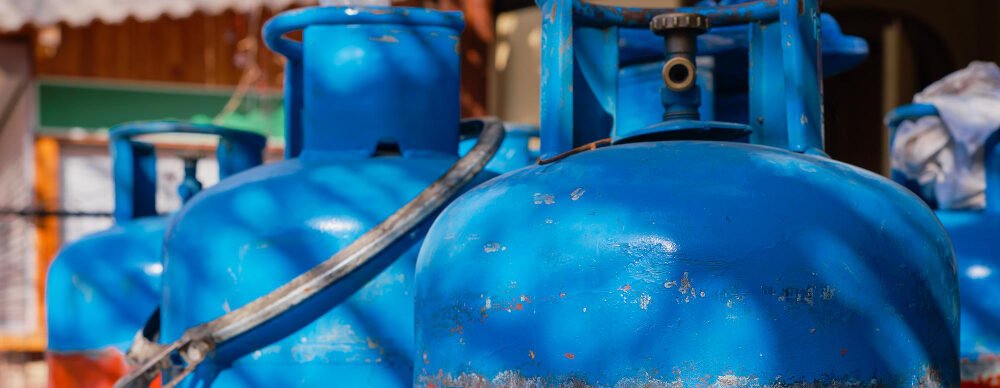
It is built to handle tougher cooling tasks where lower temperatures are needed. R404A is a blend of different HFCs and operates at a higher pressure. It requires compressors specifically designed for R404A systems.
(2). What Is R134a
This refrigerant is more common in everyday applications. It is widely used in:
- Automotive air conditioning systems
- Small refrigerators and freezers
- Medium-temperature commercial systems
If you have a standard fridge at home or in a small shop, it probably runs on R134a. Unlike R404A, R134a is a single-component refrigerant. It works at a lower pressure and is mainly used for medium-temperature cooling. Like R404A, it also requires compressors specifically designed for R134a systems.

When choosing between the two, think about what temperature range you need and what kind of system you are working with. You cannot simply swap one for the other without changing the equipment, as each is designed for specific applications and operating conditions.
2. Can You Directly Replace R404A with R134a?
The short answer is no. If a system was built to run on R404A, you should not simply swap it out for R134a. Doing so can cause more harm than good. Here is why.
(1). Pressure Mismatch
R404A systems operate at significantly higher pressures than R134a systems. If you use R134a in an R404A system, the pressure will be too low. This leads to poor cooling performance, problems with oil returning to the compressor, and in some cases, complete system failure.
(2). Component Compatibility
The components in an R404A system—such as the compressor and expansion valves—are specifically calibrated for that refrigerant’s pressure and flow characteristics. R134a does not meet these specifications, so the system will not function properly.
(3). Oil Issues
R404A systems typically use POE oil. R134a systems may use either PAG or POE oil, depending on the application. However, these oils are not always compatible with the other refrigerant. Using the wrong oil can damage the compressor and shorten the system’s lifespan.
(4). Safety and Legal Concerns
Mixing refrigerants or using the wrong type in a system is unsafe. It may also violate local environmental laws, which strictly regulate how refrigerants should be handled.
3. Can You Buy R410A Refrigerant?
Homeowners generally cannot legally buy R410A.
Under federal EPA rules, R410A is a controlled substance. To purchase it, you need an EPA Section 608 certification, which most homeowners do not have. This means you must hire a licensed HVAC professional for any top-ups or repairs.
Some online sellers may offer it without asking for credentials. But reputable suppliers will always verify your certification before completing a sale. Buying it without one is a federal violation, even if enforcement against individuals is rare.
 English
  French
  German
  Spanish
  Japanese
  Korean
  Italian