目次
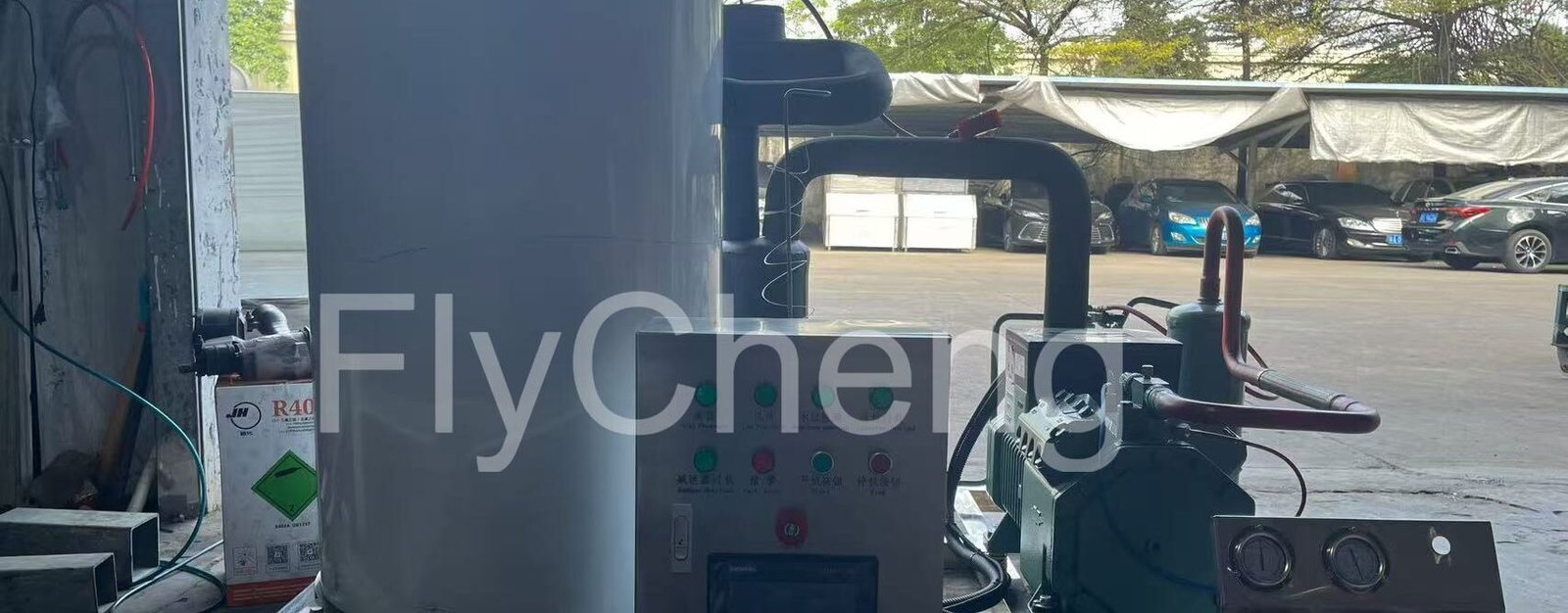
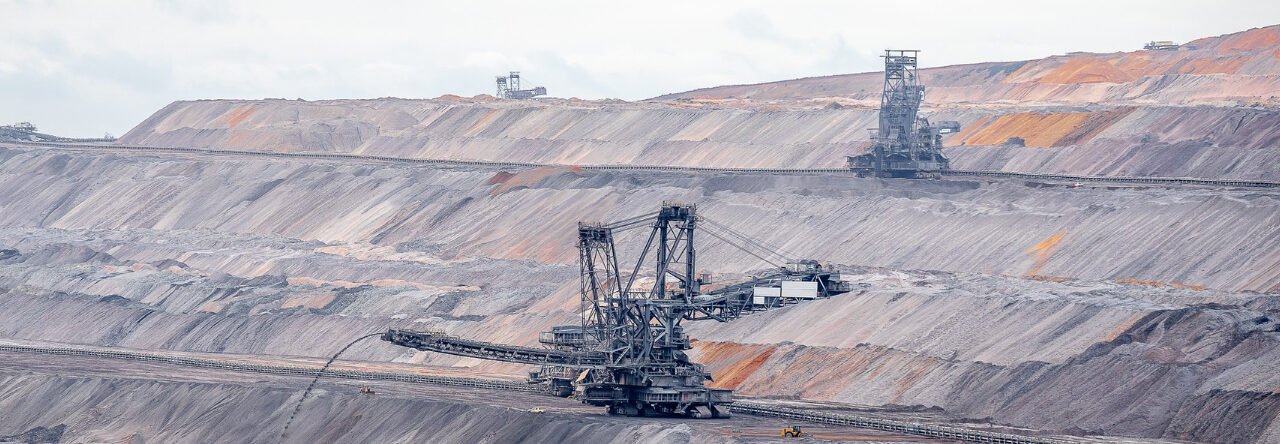
トグルIn the mining industry, flake ice machine serve as critical equipment for cooling underground mines and regulating ambient temperatures within mining operations. By rapidly refrigerating water to produce thin, flake-like ice, these machines—characterized by their high heat exchange efficiency, large contact surface area, and ease of conveyance—effectively mitigate the high-temperature and high-humidity conditions prevalent within mines. In the mining sector, such equipment is frequently deployed within the cooling water systems of coal mines and metal mines.
1. Why Use an Ice Making Machine in Mining?
As mines go deeper and mechanization increases, underground heat has become a serious challenge for the mining industry. At depths below 500 meters, rock temperatures can reach 40°C (104°F) or more, creating hazardous working conditions. When temperatures exceed 37°C (98.6°F), regulations require cooling measures to be taken. For every 1°C rise in mine temperature, production efficiency drops by 6 to 8 percent. Heat also makes miners more prone to heatstroke and other health problems, and causes machinery to fail more often.

So how can mining operations effectively control underground heat? One of the most proven and practical solutions is a flake ice machine. This type of industrial ice maker has become the industry standard for deep‑mine cooling around the world.
2. What Are the Advantages of Ice Machine in Mining?
Traditional ventilation and chilled water systems have significant limitations in deep mines. Ventilation circuits become too long underground, reducing airflow and making the air pick up more heat from the surrounding rock before it reaches the working face. Chilled water systems require pumping water down and back up, which becomes increasingly costly and inefficient as depth increases.

A surface ice plant offers a smarter approach. A flake ice machine produces ice on the ground, which is then transported down the shaft and melted underground to provide cooling. Because ice carries latent heat—the energy required to change ice into water—it delivers much more cooling per unit of mass than chilled water. Using transportable flake ice can achieve more than a fourfold reduction in the required mass flow in the cooling system, significantly lowering the energy consumed for circulating cooling water and the associated costs.
In short, an industrial ice maker designed for flake ice production is not just a piece of equipment—it is a critical tool for maintaining safe working conditions in deep mines.
3. How a Flake Ice Cooling System Works
A complete mine cooling system based on a flake ice machine consists of four main components:
(1) Ice making system on the surface – The flake ice machine produces ice continuously.
(2) Ice delivery system – Ice is transported via screw conveyor, root blower, air cooling system, and ice delivery pipe work to the ice chute of the vertical shaft.
(3) Ice melting system – Flake ice falls into an underground thawing tank, where it melts into ice water.
(4) Cold delivery system – The ice water is pumped from the thawing tank to the working area for dust suppression and spray cooling.
An important advantage of this setup is that the actual cooling system is open. Return water flows back to the ice melting pool, and dust‑proof water can be connected from the cooling water pipeline for dust control and spray cooling on the working face. Every component relies on the consistent output of the flake ice machine, making it the heart of the entire cooling system.
4. What Makes Flake Ice the Best Choice for Mine Cooling
Flake ice is widely considered the most suitable ice type for mine cooling applications. Here is why.
Transportability. Unlike block ice, flake ice can be transported pneumatically or by conveyors. This makes it ideal for mines where the ice maker is located on the surface and the ice must be moved through a shaft to different levels underground

Large surface area. Flake ice has a thin, irregular shape that provides maximum contact with the surrounding air, allowing it to cool quickly and efficiently. Among all types of industrial ice, flake ice offers the fastest heat transfer.
Safety benefits. In coal mines, cooling from a flake ice machine can help prevent the explosion of flammable gas. When mine temperatures rise, gas and other flammable gases become more likely to ignite, and flake ice cooling reduces this risk.
Efficiency and cost‑effectiveness. With advances in containerized ice plant technology, ice cooling has become more affordable and reliable. Modern modular, pre‑fabricated plants can be assembled and commissioned in as little as ten days, avoiding the high construction costs and long lead times of traditional installations.
Whether you call it an ice maker, an ice machine, or a flake ice machine, the core function remains the same: producing high‑quality flake ice that can be delivered deep underground.
5. Applications of Flake Ice Machines in Mining
Underground mine cooling. This is the primary application. A reliable ice making machine produces flake ice that is used to cool down ambient temperatures in deep mines, ensuring a comfortable and safe working environment for miners.

Dust suppression. The ice water produced from melted flake ice can be used for dust prevention on the working face, addressing two challenges—heat and airborne dust—with a single solution.
Emergency cooling. Flake ice can serve as a passive cooling source in refuge chambers when power is lost, keeping trapped miners safe while they await rescue. In these scenarios, hav
6. How to Choose the Right Flake Ice Machine for Your Mine
Selecting the right ice machine is a critical investment. Here are the key factors to consider.
(1) Determine your required ice production capacity.
A flake ice machine that is too small will struggle to meet cooling demand; one that is too large wastes capital and energy. Calculate your daily peak cooling load carefully. It is wise to add a 15–20% buffer to your calculated capacity to account for higher ambient temperatures during summer months.
For mine cooling, capacities can range from a few tons per day for smaller operations to hundreds or even thousands of tons per day for large deep mines. Always consult with an experienced ice maker manufacturer to confirm your needs.
(2) Choose the right cooling system for the condenser.
Flake ice machines use either air or water to remove heat from the condenser.
Air‑cooled systems are water‑efficient, easier to install, and cost less upfront. They work best in moderate climates and where water is expensive. However, they require good ventilation and may struggle in extreme heat.
Water‑cooled systems offer consistent performance in high‑temperature or poorly ventilated environments but consume more water and require more complex plumbing. For many mining sites, especially those in remote locations with limited water supply, air‑cooled flake ice machines are often the preferred choice.

(3) Consider refrigerant type.
Each has its own advantages in terms of efficiency, environmental impact, and safety. For deep‑mine cooling, where reliability and performance are critical, it is worth discussing your specific needs with a reputable ice machine supplier.
(4) Evaluate build quality and materials.
The ice making machine should be constructed from durable, corrosion‑resistant materials, such as stainless steel (SUS304 or SUS316), to withstand harsh mining environments. All water‑contact surfaces must meet hygiene standards and resist rust. Key components like the evaporator, compressor, and ice scraper should be easily accessible for routine maintenance. A well‑built flake ice machine will operate reliably for years with proper care.
(5) Look for energy efficiency.
Given the 24/7 nature of mining operations, energy consumption is a major operating cost. Look for flake ice machines with high‑efficiency evaporators, advanced control systems, and low‑power fans. Some modern ice makers recycle unfrozen water to ensure all water is converted to ice, saving water resources and reducing waste. An energy‑efficient ice machine not only lowers your electricity bill but also reduces the overall carbon footprint of your mine.
(6) Assess delivery and installation requirements.
For mines in remote locations, modular containerized ice plants offer significant advantages. These systems are pre‑fabricated at the factory, cargo‑shipped to the site, and can be erected and commissioned in days rather than months. This eliminates the need for expensive on‑site building construction and streamlines the entire process. When choosing an ice maker, ask whether the supplier offers containerized solutions for easy transport and rapid deployment.
(7) Plan for maintenance and after‑sales support.
A flake ice machine running in a mine operates under demanding conditions. Regular maintenance of evaporator coils, compressors, and delivery systems is essential for long‑term reliability. Choose a supplier that offers comprehensive after‑sales support, including spare parts availability and technical assistance. A reliable ice machine is only as good as the service behind it.

7. Conclusion
Flake ice machines have become an essential tool for modern mining operations facing the challenges of deep‑level heat. By leveraging the latent heat of flake ice, these systems dramatically reduce pumping energy, lower cooling costs, and improve both worker safety and productivity.
When it comes to keeping miners safe and productive in extreme conditions, a reliable flake ice machine is an investment that pays for itself every single day. The value it brings to your mining operation is unmistakable.